


Buying a New Furnace Guide | 2026 Expert Tips & Costs
The decision to purchase a new furnace in 2026 is gaining significance due to the constantly changing energy prices and the desire of homeowners to find more efficient methods of heating their homes. The new heating systems are meant to provide superior performance, reduced energy use and enhanced comfort indoors than the older systems. When your existing system is more than 15 years old, needs frequent maintenance, or cannot evenly heat your home, an upgrade now can allow you to prevent the sudden failure of your system in the middle of winter.
Technological progress is another major factor to consider a replacement. Modern furnaces are equipped with intelligent thermostats, variable-speed blowers, and other technologies designed to enhance efficiency to a large extent. This guide will take you through all you need to know before purchasing a furnace, such as the type of furnace, prices, tips on installation, and professional tips on saving money in the long run.
Understanding Furnace Types and Efficiency Ratings
In choosing a new furnace, it is crucial to know the various types of furnaces. The most widely used ones are gas, electric and oil furnaces but gas models are generally the most popular because of their affordability and good heating capabilities.
Gas furnaces are the most popular as they are fast to warm up and are usually cheaper to use. Electric furnaces, however, are less cumbersome to install but could result in increased monthly energy expenses with usage. Oil furnaces are less prevalent, but are still used in certain areas where there is a shortage of gas.
The AFUE (Annual Fuel Utilization Efficiency) rating is used to measure efficiency. The greater the AFUE percentage, the greater the amount of heat generated using the same quantity of fuel. New high efficiency furnaces are often between 90 and 98 AFU which makes them a good long-term investment to energy-sensitive homeowners.
Key Factors to Consider Before Buying a New Furnace
There are a few important factors to consider before purchasing a system to make sure you get the right system to fit your home. Your home size and layout is one of the most crucial factors to consider.
A furnace that is either too small or too large will not be able to heat your area effectively and an overly large furnace will turn on and off too often, making it less efficient and comfortable.
Weather is also a factor in your choice. In colder areas, homes will need more powerful systems with higher efficiency ratings. Other aspects that must not be ignored include noise levels, warranty coverage, and brand reputation.
Another consideration that is on the rise is smart compatibility. A lot of contemporary furnaces are connected to smart thermostats, which enable people to regulate the temperature levels at home and enhance energy efficiency.
Energy Efficiency and Long-Term Savings
One of the most significant aspects of purchasing a new furnace in 2026 is energy efficiency. Although the high-efficiency models can be expensive in the short term, they can save a lot of money in the long-term due to less energy usage.
High efficiency furnace can reduce the cost of heating by up to 20-40 percent of the older systems. Variable-speed motors and two-stage heating are some of the features that enable the system to vary the output according to demand rather than operating at full capacity at all times.
Air leaks can be sealed, insulation can be made better, and your furnace can be combined with a programmable thermostat to save even more. These enhancements can be felt in the comfort and monthly utility bills over the lifetime of the system.
Installation Costs and What Influences Pricing
The price of a new furnace installation may differ greatly based on a number of factors. Homeowners can expect to pay an average of moderate to high levels of investment based on the type of unit, efficiency rating, and the complexity of installation.
Some of the main considerations that affect the cost of furnace installation are the condition of ductwork, size of the system, labour costs, and any upgrades required to comply with building code requirements. When old ductwork needs to be sealed or replaced, this may add to the total costs.
Higher efficiency furnaces are usually more expensive initially, but can be eligible to energy rebates or long-term savings that can offset the initial cost. It is advisable to get several quotes of qualified HVAC professionals to allow them to have competitive prices and standard installation.
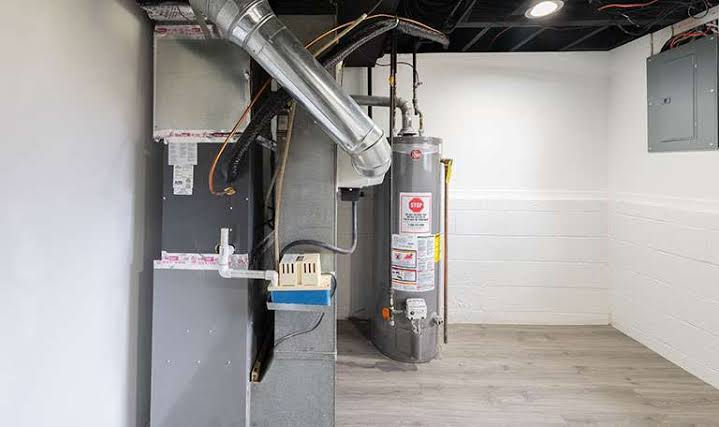
Choosing the Right SizAir Conditionee and Professional Installation
The choice of the furnace size is important in terms of performance and efficiency. A heat load assessment is a calculation that is used by HVAC professionals to decide the precise heating needs of your home. This makes sure that the system is not overpowered or oversized.
A furnace of the right size is more efficient and offers even temperatures indoors and minimizes the wear and tear of parts. One of the most frequent errors of homeowners when replacing heating systems is poor sizing.
Professional installation is also crucial. The finest furnace will not work well when it is improperly installed. Proper airflow, secure connections, and adherence to safety standards are guaranteed by certified technicians, which leads to long-term reliability.
Maintenance Tips for Longer Furnace Lifespan
To maintain your furnace in good condition and ensure a longer life, it is important to have it serviced regularly.
Among the easiest yet most essential things to do is to change or wash air filters once in a month or three. The dirty filters block the airflow and cause the system to strain.
Professional inspections are also strongly advised on a yearly basis. Technicians normally inspect burners, heat exchangers, and safety controls during a maintenance visit to make sure that everything is working well.
Maintaining unobstructed vents and calibration of your thermostat can also enhance performance of the system. A modern furnace has a potential of 15-20 years or more with proper care and maintains high efficiency.
Final Buying Advice and Common Mistakes to Avoid
Costly mistakes can be avoided when buying a new furnace by careful planning. The first mistake is to select a system just because of price and not because of efficiency in the long run. Although cheaper units might be attractive in the short term, they tend to increase the energy bills in the long run.
The other error is not following professional advice when sizing and installing. An improperly matched furnace to your home will not be able to work effectively, causing discomfort and high maintenance expenses.
Another thing to keep in mind is that you should not wait to replace your existing system when it begins to show signs of failure, including uneven heating, strange noises, and increased energy bills. Modern and efficient furnace is a good investment that guarantees a good performance, better comfort and saving in the long run during the heating season.


Comments